

Surfaces That Last Through Decades of Use
Concrete protection in Charlotte for driveways, patios, and walkways exposed to vehicle traffic and outdoor conditions
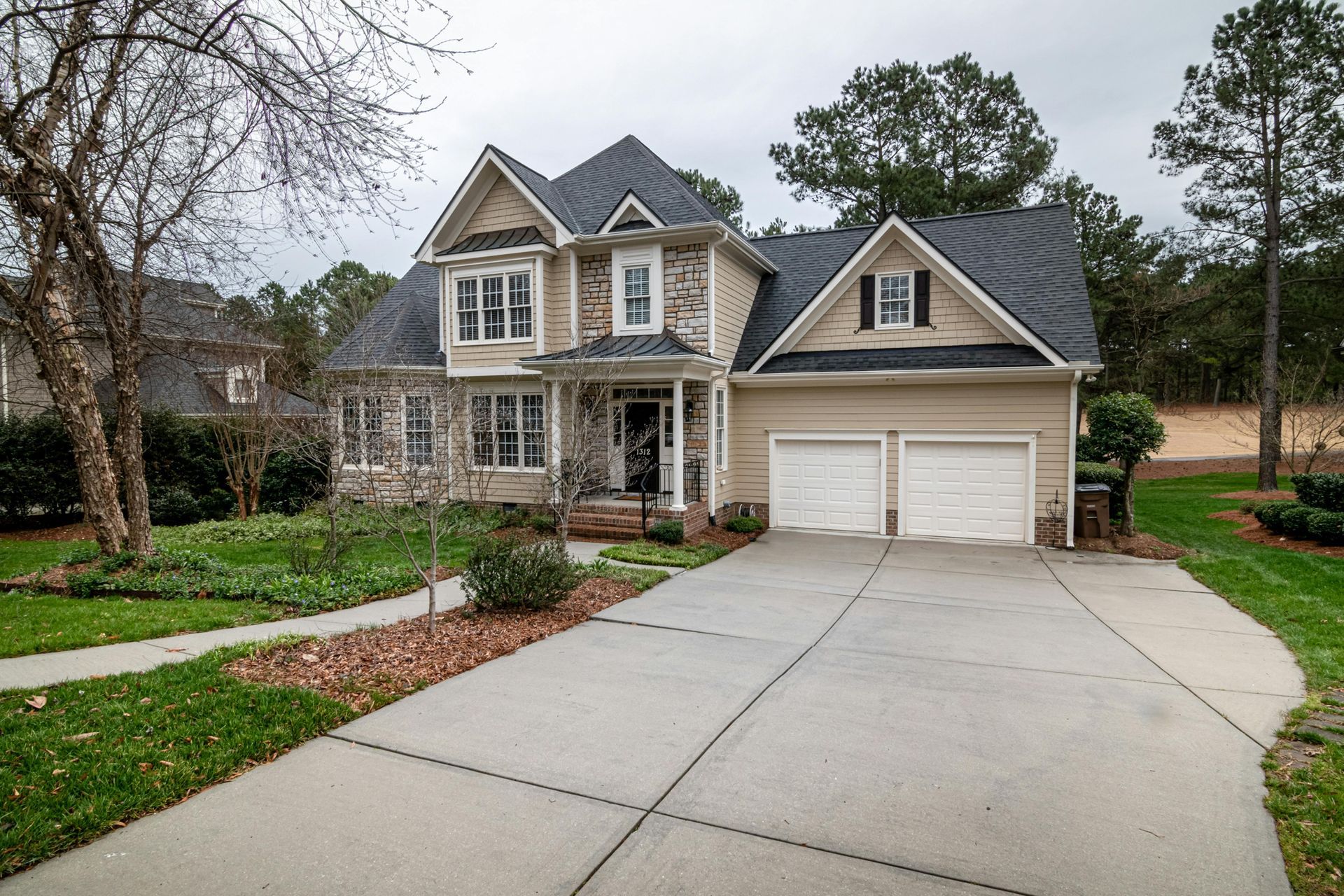
Precision Concrete MI LLC applies protective treatments to concrete surfaces in Charlotte, addressing the exposure that driveways, patios, and walkways face from vehicle weight, foot traffic, and outdoor elements. You need this service when your concrete shows early signs of surface wear, minor staining, or when you want to prevent deterioration before it starts. The treatment creates a barrier that slows moisture penetration and reduces surface abrasion, which matters most for concrete installed within the last few years or surfaces you've recently had repaired.
The process involves cleaning the concrete to remove dirt, oil residue, and any loose material, then applying a penetrating sealer that bonds with the surface. This sealer fills the microscopic pores in the concrete, reducing how much water and contaminants can enter. For driveways that handle regular vehicle traffic, the sealer also helps resist surface pitting from tire friction and reduces how quickly oil stains set into the material.
Schedule a property evaluation to identify which surfaces would benefit most from protective treatment.
How Protection Changes What Happens to Your Concrete
Protection works by altering how the concrete interacts with what lands on it. Unsealed concrete absorbs water, oil, and chemicals through its porous surface, which eventually weakens the top layer and causes scaling or spalling. A properly applied sealer blocks most of that absorption, so water beads on the surface instead of soaking in, and oil stains can be cleaned off before they penetrate.
After treatment, you'll notice that water no longer darkens the concrete as quickly, and spills sit on the surface long enough to be wiped away. The concrete also resists dust accumulation because the sealed surface doesn't hold onto fine particles the way raw concrete does. These changes don't stop all wear, but they significantly slow the rate at which the surface degrades, particularly in high-traffic areas like the approach to your garage or the section of patio near your grill.
The sealer typically needs reapplication every two to four years depending on traffic levels and exposure. You'll know it's time when water stops beading and starts soaking in again, or when the surface begins to show dust accumulation similar to untreated concrete.
What Property Owners Ask About the Work
These questions cover how the protection is applied and what it does for your concrete over time.
- What happens to the concrete before the sealer is applied? The surface is pressure-washed to remove dirt, oil, and any efflorescence, then allowed to dry completely. Any sealer applied to damp concrete won't penetrate correctly and can trap moisture underneath, which leads to peeling or discoloration.
- How does the sealer get into the concrete? Penetrating sealers are rolled or sprayed onto the surface and work their way into the pores through capillary action. They don't sit on top like a coating; instead, they chemically bond with the concrete itself, which is why they don't wear off from foot traffic the way a topical film would.
- What does protection actually prevent? It slows moisture penetration, which reduces freeze-thaw damage in colder months, and it resists surface staining from oil, grease, and other contaminants. It doesn't stop cracks caused by settling or structural movement, but it does reduce surface-level deterioration that makes those cracks worse.
- How do you know when the sealer has worn off? Water will soak into the concrete instead of beading on the surface, and you'll notice that stains set in more quickly. In Charlotte, where many driveways are poured concrete from the 1980s and 1990s, older surfaces without protection often show darker patches where water has repeatedly soaked in and dried.
- What's the difference between a penetrating sealer and a topical coating? A penetrating sealer absorbs into the concrete and doesn't change the surface texture or appearance significantly, while a topical coating sits on top and can create a glossy or wet look. Topical coatings wear off faster under vehicle traffic and can peel if moisture gets trapped underneath, which is why penetrating sealers are preferred for driveways.
Precision Concrete MI LLC evaluates your concrete's current condition and recommends the sealer type that fits your surface and traffic level. Request a detailed assessment to determine whether your concrete would benefit from protection now or after addressing any existing damage first.